
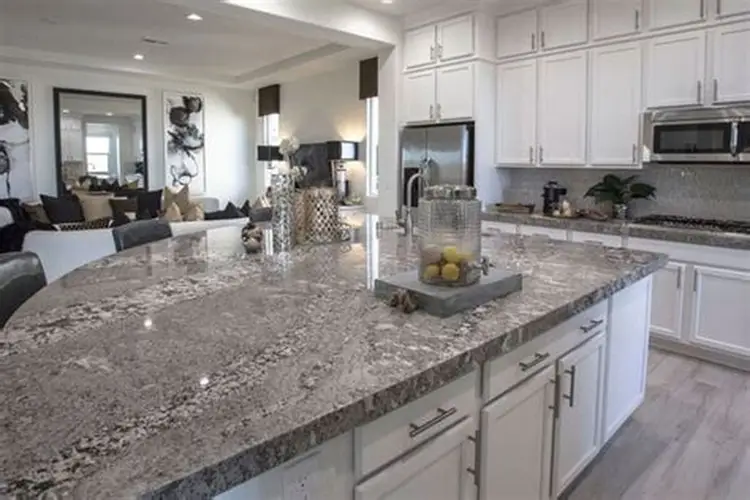
Granite is a natural stone prized for its durability, visual appeal, and functional versatility. It’s a staple material in everything from kitchen countertops to large-scale architectural installations. One of the defining physical properties that contribute to granite’s strength is its density. But what is the actual density of granite, and why does it matter?
In this guide, we’ll explore the density of granite, how it compares to other materials, and how it influences both practical applications and design decisions.
Understanding the Density of Granite
What Does Density Mean?
Density is the mass per unit volume of a substance, typically expressed in grams per cubic centimeter (g/cm³) or kilograms per cubic meter (kg/m³).
For natural stones like granite, density is important because it:
- Affects durability and compressive strength
- Influences transportation and installation logistics
- Impacts how the stone performs under weight and pressure
The Average Density of Granite
Typical Density Range
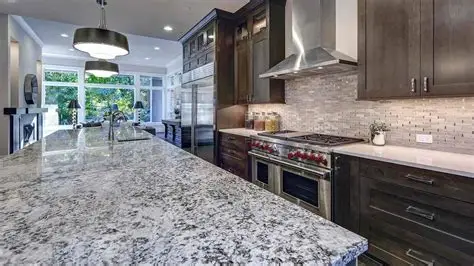
Granite has an average density of:
- 2.63 to 2.75 g/cm³ (grams per cubic centimeter)
- Or 2,630 to 2,750 kg/m³ (kilograms per cubic meter)
This variation depends on its mineral composition, porosity, and the specific quarry it comes from.
Factors Affecting Density
- Mineral Content: More quartz or feldspar may lower density slightly
- Porosity: Less porous granite is denser and more durable
- Grain Size and Texture: Fine-grained granite may have slightly higher density
Learn more: What minerals are in granite?
Why Density Matters in Real-World Applications
Strength and Durability
Higher density means:
- Better resistance to chipping and cracking
- Improved weight-bearing capacity
- Greater overall lifespan
Installation Considerations
Dense granite requires:
- Heavy-duty equipment for lifting and cutting
- Proper structural support for large countertops or flooring
See: Granite Countertop Installation
Aesthetics and Color
- Granite rock is light in color—which feature directly contributes to this color?
- Denser granite can appear darker and more vibrant due to less light scattering
Comparing Granite to Other Stones
| Stone Type | Average Density (g/cm³) |
|---|---|
| Granite | 2.63 – 2.75 |
| Marble | 2.4 – 2.7 |
| Quartz | 2.65 |
| Soapstone | 2.2 – 2.8 |
| Concrete | 2.4 |
Conclusion: Granite sits on the higher end of the spectrum in both density and strength.
How Granite Density Affects Countertop Selection
Kitchen and Bathroom Countertops
- White granite countertop options may be slightly less dense but more visually spacious
- Black granite countertops are typically denser and more stain-resistant
Design Features
- What Is a Waterfall Edge on Granite Countertops?
- What Is the Most Popular Edge for Granite Countertops?
Commercial Applications
- Denser granite slabs are ideal for heavy-traffic areas such as hotels, airports, and restaurants
Aardwolf Granite Solutions
Whether you’re installing countertops in a busy kitchen or selecting slabs for a commercial build, Aardwolf provides:
- High-density premium granite slabs
- A full granite countertop collection with edge style options
- Granite countertop installation services backed by expert craftsmanship
Conclusion: Density Defines Granite’s Strength
So, what is the density of granite? On average, it ranges from 2.63 to 2.75 g/cm³, which makes it one of the strongest and most durable natural stones available.
Understanding granite’s density helps homeowners, builders, and designers make informed decisions about slab selection, support structures, and performance expectations.
Whether you prefer classic white granite countertops or darker, more dramatic slabs, knowing the stone’s density ensures that your choice delivers both form and function for years to come.