
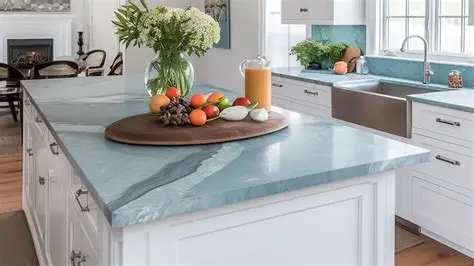
Choosing between quartz and granite countertops involves more than just aesthetics — it’s also about cost. Homeowners often ask, “What’s cheaper, quartz or granite?” The answer depends on various factors, including material grade, installation complexity, and long-term maintenance needs.
This guide breaks down the pricing, characteristics, and value of both materials so you can make an informed decision.
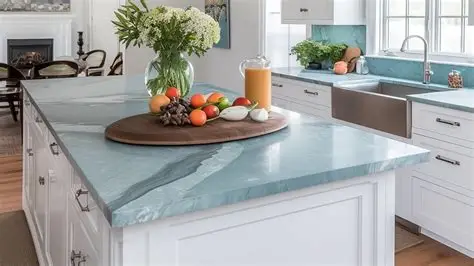
Granite vs. Quartz: A Quick Overview
Granite Stone
Granite is a natural stone created from cooling magma deep in the Earth’s crust. It’s composed primarily of quartz, feldspar, and mica, which give it its unique color variations and patterns. Each slab is one-of-a-kind, making granite countertops a timeless and luxurious option.
Quartz Countertops
Quartz is engineered stone, made by combining natural quartz crystals with resin and pigments. The result is a non-porous, uniform surface that’s resistant to stains and bacteria without needing sealing.
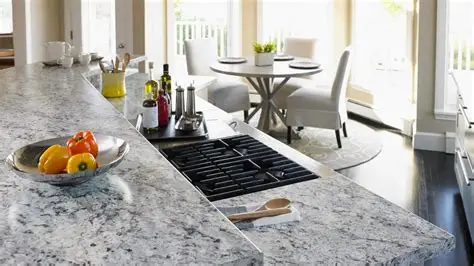
Average Price Comparison
- Granite countertops generally range from $40 to $200 per square foot installed.
- Quartz countertops usually cost between $50 and $150 per square foot installed.
For entry-level options, granite can often be cheaper than quartz. However, exotic granite slabs — like rare blues or unique veining — can exceed the cost of high-end quartz.
Key Factors That Affect Pricing
1. Material Grade
Granite prices vary widely depending on rarity, color, and origin. Budget-friendly granite often has simpler patterns, while premium granite slabs with intricate designs cost significantly more. Quartz pricing is more standardized but can still increase for designer brands.
2. Slab Size and Thickness
Standard thickness is 3 cm, but custom edges or thicker slabs increase costs for both materials.
3. Installation Complexity
If you need elaborate cuts, curved edges, or integrated granite backsplash designs, labor costs will rise. You can learn more about countertop installation in our Glass Lifter guide, which covers safe handling of large stone slabs.
4. Location and Transportation
The closer you are to a quarry or fabrication facility, the more you can save on shipping and handling fees.
Maintenance Costs Over Time
Granite requires periodic sealing to maintain stain resistance (see: Which Is Better, Quartz or Granite?). While sealing isn’t expensive, it’s an ongoing cost. Quartz, on the other hand, is virtually maintenance-free.
Durability vs. Price
Both materials are highly durable, but granite is more heat-resistant, while quartz is more stain-resistant. The decision comes down to your priorities for maintenance, appearance, and longevity. For a deeper comparison, check out How Do Quartz Countertops Compare to Granite in Terms of Durability, Maintenance, and Cost?.
Pros and Cons Summary
| Feature | Granite | Quartz |
|---|---|---|
| Initial Price Range | Lower to higher | Mid to higher |
| Maintenance Cost | Moderate | Low |
| Heat Resistance | High | Moderate |
| Stain Resistance | Moderate | High |
| Color Variety | Natural patterns | Uniform colors |
Where to Find Affordable Granite Countertops
If cost is your main concern, start with affordable granite countertop options from wholesale granite suppliers. The Aardwolf Granite Countertop Collection offers white granite countertops, black granite countertops, and various natural stone options at competitive prices.
Final Verdict: Which is Cheaper?
In many cases, granite can be cheaper than quartz, especially for entry-level grades. However, if you opt for exotic granite, expect the price to surpass high-end quartz. Your decision should factor in not only upfront costs but also long-term maintenance, style preference, and durability needs.