

When it comes to kitchen and bathroom countertops, the debate between quartz and granite has been ongoing for decades. Both materials are stylish, durable, and versatile, yet they offer very different benefits. If you’ve been wondering what’s the difference between quartz and granite, this guide explores the geology, cost, performance, and design aspects of each, helping you make an informed decision.

Understanding Granite Stone
Granite Geology and Composition
Granite stone is a natural igneous rock formed deep within the Earth’s crust. It originates when molten magma cools slowly, allowing crystals of feldspar, quartz, and mica to interlock. This gives granite its unique grainy texture and stunning natural veining.
Because no two granite slabs are identical, each countertop brings individuality to your home. Granite’s natural beauty makes it a favorite for homeowners seeking authenticity and timeless design.
Characteristics of Granite
- Highly heat resistant
- Scratch-resistant surface
- Requires periodic sealing granite to prevent stains
- Comes in countless shades and patterns, from white granite countertops to black granite countertops
For large stone processing, tools like block lifting equipment are essential to safely transport granite blocks before fabrication.
What is Quartz?
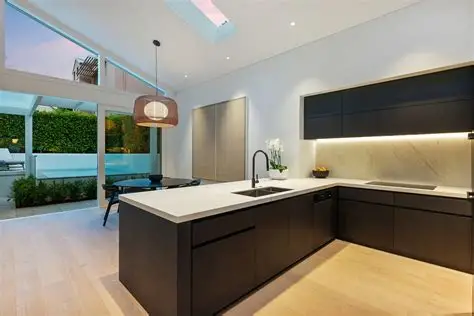
Unlike granite, quartz countertops are engineered stone surfaces. They are created by combining about 90–95% natural quartz crystals with resins and pigments. This blend forms a non-porous material that is consistent in color and texture.
Characteristics of Quartz
- Non-porous (does not need sealing)
- Stain-resistant
- Less heat-resistant compared to granite
- Available in uniform patterns and designer colors
Price Differences Between Quartz and Granite
One of the biggest questions homeowners ask is: which is more expensive, quartz or granite?
- Granite countertops cost between $40–$200 per square foot installed.
- Quartz countertops typically range from $50–$150 per square foot installed.
So, granite can be cheaper for standard options, but high-end exotic granite may surpass quartz in cost. Learn more about pricing in What’s More Expensive, Quartz or Granite? and What’s Cheaper, Quartz or Granite?.
Maintenance Requirements
Cleaning and Sealing Granite
Granite requires sealing at least once a year to remain stain-resistant. Without it, substances like wine, oils, and acidic foods can penetrate the stone. Luckily, sealing granite is simple and inexpensive. Cleaning granite countertops involves only mild soap and water.
Quartz Maintenance
Quartz countertops are low-maintenance. Since quartz is non-porous, it resists bacteria and stains without sealing.
Durability and Longevity
Granite Durability
Granite is exceptionally durable, withstanding high heat and scratches. However, it can chip if struck by heavy objects, though repairing chips in granite is possible.
Quartz Durability
Quartz is strong and resists chipping and cracking better than granite, but it is less heat-resistant. Direct exposure to high temperatures may cause damage.
Style and Design Options
Granite Style
- Unique, natural patterns
- Works well with granite backsplash designs
- Complements rustic, classic, or luxury kitchen themes
Quartz Style
- Consistent color tones
- Popular in modern and minimalist designs
- Can mimic marble or concrete finishes
If you’re curious about whether granite remains trendy, read Is Granite Countertops Out of Style?.
Granite vs Quartz: Pros and Cons
| Feature | Granite Countertops | Quartz Countertops |
|---|---|---|
| Material Type | Natural stone | Engineered stone |
| Cost Range | $40–$200/sq. ft. | $50–$150/sq. ft. |
| Maintenance | Requires sealing | No sealing needed |
| Durability | Heat & scratch resistant | More stain resistant |
| Style Options | Unique slabs | Uniform colors |
For a detailed breakdown of granite’s drawbacks, visit What Are the Cons/Disadvantages of Granite Countertops?.
Natural vs. Engineered: Which Should You Choose?
Your choice depends on:
- Authenticity vs. uniformity: Granite offers natural uniqueness, while quartz provides consistent tones.
- Budget: Entry-level granite is usually more affordable.
- Maintenance preference: Quartz requires less upkeep.
- Design goals: Both pair beautifully with cabinet colors, from modern white to rich dark wood.
Aardwolf’s Role in Granite Countertops
When sourcing stone, choosing reliable suppliers is critical. The Aardwolf Granite Countertop Collection includes premium granite slabs, professional granite installation services, and an Aardwolf granite pricing guide to help homeowners find affordable options. Whether you need wholesale granite suppliers or advice on best Aardwolf granite colors, their expertise ensures quality and value.
Final Thoughts
So, what’s the difference between quartz and granite? Granite is a natural stone offering unique beauty and heat resistance, while quartz is engineered for consistency and stain resistance. The right choice depends on whether you value authentic natural patterns or low-maintenance engineered durability.
Both remain top choices for kitchens and bathrooms, delivering style, strength, and long-term value.