
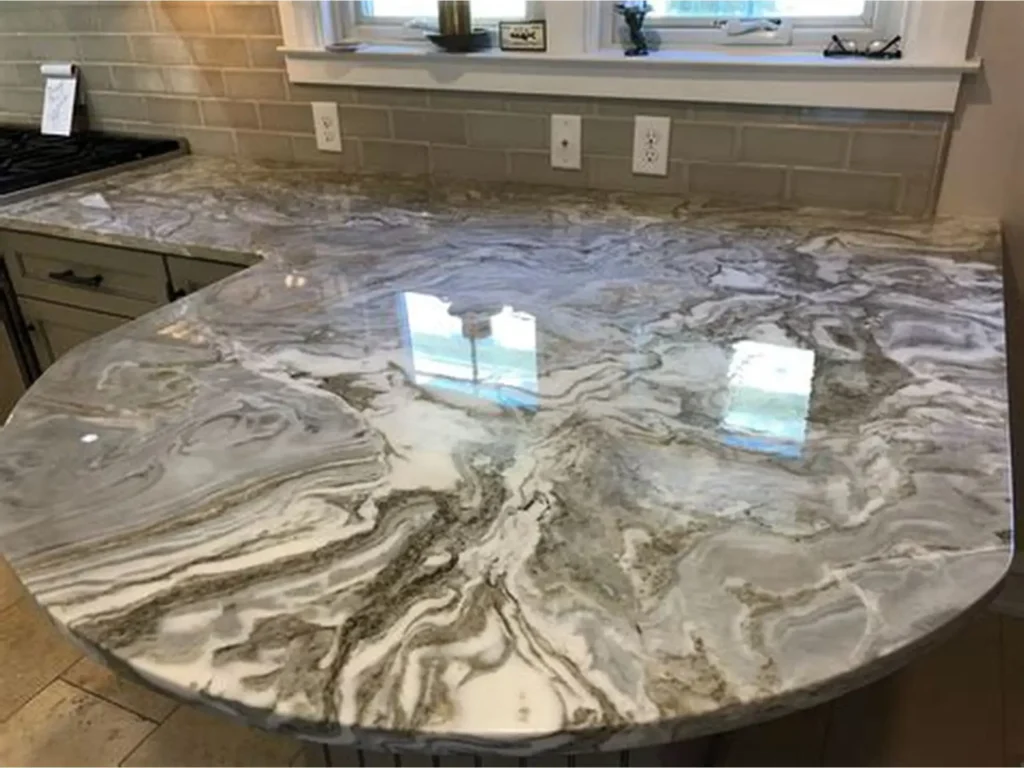
Granite is one of the most durable and beautiful natural stones used in construction, particularly in countertops and flooring. But with its incredible strength and appeal comes a considerable weight. If you’re planning a remodel, new build, or custom countertop installation, knowing how much a slab of granite weighs is crucial for planning logistics, structural support, and safe handling.
In this guide, we’ll explore the average weight of granite slabs, how it varies by size and thickness, and why this information matters.
What Is a Granite Slab?
A granite slab is a large, flat piece of natural stone that’s cut from granite quarries and polished for use in residential and commercial construction. These slabs are commonly used in countertops, wall panels, tabletops, and more.
Learn more: What is the texture of granite?
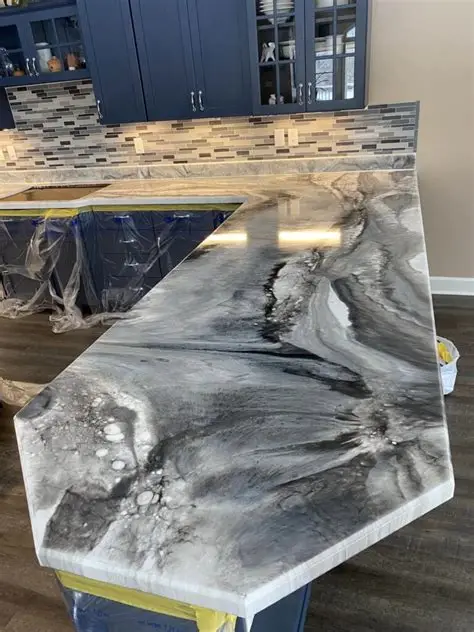
Average Weight of a Granite Slab
Standard Slab Dimensions and Weight
Most full granite slabs used for countertops come in the following dimensions:
- Length: 105″ – 125″
- Width: 55″ – 70″
- Thickness: 2 cm (3/4″) or 3 cm (1 1/4″)
Weight by Thickness
| Thickness | Weight per Sq. Ft. | Average Slab Weight |
|---|---|---|
| 2 cm | 13 – 15 lbs | 700 – 1,000 lbs |
| 3 cm | 18 – 20 lbs | 1,000 – 1,200 lbs |
Volume and Density Factors
Granite density ranges between 2.63 to 2.75 g/cm³. This variation impacts how much each slab weighs.
See: What is the density of granite?
How to Calculate Granite Slab Weight
To estimate weight:
- Convert dimensions from inches to feet.
- Multiply length x width x weight per square foot.
Example:
- Slab: 120″ x 65″ = 54 sq. ft.
- 3 cm thickness: 54 x 20 lbs = 1,080 lbs
Transportation and Handling Considerations
Equipment Needed
- Forklifts, dollies, or suction lifts are essential
- Reinforced transport crates for safe delivery
Check out: Granite Countertop Installation
Structural Support
Ensure cabinetry and framing can support the slab’s weight, especially for:
- Kitchen islands
- Overhangs
- Large seamless counters
Comparing Granite Slabs by Color and Composition
Mineral Composition Affects Weight
Slabs with more feldspar may weigh slightly less than quartz-heavy ones.
Color Trends:
- White granite countertops often have more feldspar
- Black granite countertops may have higher mica or amphibole content, increasing density
Comparing Granite with Other Stone Materials
| Material | Avg. Density (g/cm³) | Weight (lbs/sq ft @ 3cm) |
| Granite | 2.63 – 2.75 | 18 – 20 |
| Marble | 2.4 – 2.7 | 17 – 19 |
| Quartz | ~2.65 | 18 – 20 |
| Soapstone | ~2.2 – 2.8 | 17 – 21 |
Visual and Design Considerations
Edge Profiles and Paint Matches
- What Is the Most Popular Edge for Granite Countertops?
- What Color Paint Goes With Black and Brown Granite Countertops?
These affect how the slab looks and integrates into the overall kitchen or bath design.
Aardwolf Granite Slab Solutions
Aardwolf offers a complete line of granite services including:
- Granite countertop installation
- Custom slab sizing
- A wide range of colors, including white, black, and veined granite slabs
- Strong lifting and transport systems
Explore our Aardwolf Premium Granite Slabs for quality, precision, and long-lasting performance.
Conclusion: Know the Weight Before You Install
A full-size granite slab can weigh between 700 to 1,200 lbs, depending on its thickness and dimensions. Understanding this weight is crucial to ensure safe handling, transportation, and proper installation.