

Granite countertops are one of the toughest and most beautiful surfaces you can put in a kitchen or bathroom. They resist heat, scratches, and everyday wear far better than many other materials—and with the right care, they can look almost brand new for decades.
So where does shale come in?
Short answer: it doesn’t. Shale is a soft, layered sedimentary rock that would crumble in a busy kitchen. In real homes, the star of the show is granite stone, not shale. But understanding granite’s geology does help you care for it properly.
In this guide, you’ll learn how to care for granite countertops step-by-step, including:
- Daily cleaning for clean granite countertops
- How often to seal granite
- What to do about stains, chips, and cracks
- Design and cost tips so your granite stays beautiful and practical
- How granite compares to other surfaces in a natural stone countertop comparison
We’ll also point you to deeper how-to resources like:
- How to fix cracked granite
- How to fix a crack in a granite countertop
- How to repair chipped granite with superglue
- How to protect granite countertops
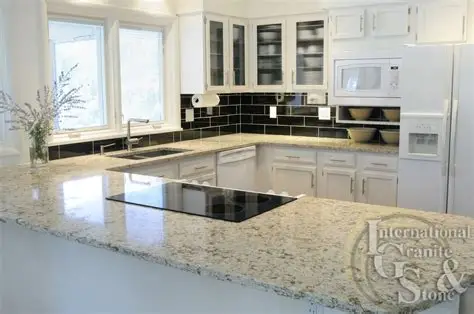
Understanding granite stone: geology, composition & characteristics
Granite geology and composition
Granite is a natural igneous rock formed when molten magma cools slowly deep under the Earth’s crust. That slow cooling allows large crystals to form and interlock tightly. Typical granite geology and composition includes:
- Quartz – extremely hard and scratch-resistant
- Feldspar – contributes most of the background color (white, cream, grey, pink)
- Mica and accessory minerals – add dark flecks, shimmer, and veining
These minerals create the core characteristics of granite:
- High hardness and long-term durability
- Resistance to heat and everyday wear
- Slight porosity (so sealing is important)
- Unique patterns and colors in every slab
This is why well-installed granite stone—whether a light white granite countertop or bold black granite countertops—can outlast most other countertop materials.
Natural vs. engineered granite alternatives
Strictly speaking, granite itself is always natural. But in showrooms you’ll often compare:
- Natural granite countertops – quarried slabs cut, polished and sealed
- Engineered surfaces (like quartz) – crushed stone plus resins
In a natural vs. engineered granite context:
- Natural granite wins for uniqueness, heat resistance, and “real stone” appeal
- Engineered quartz wins for zero-sealing and ultra-consistent look
Your care routine will be slightly different for each, but this article focuses on natural granite care.
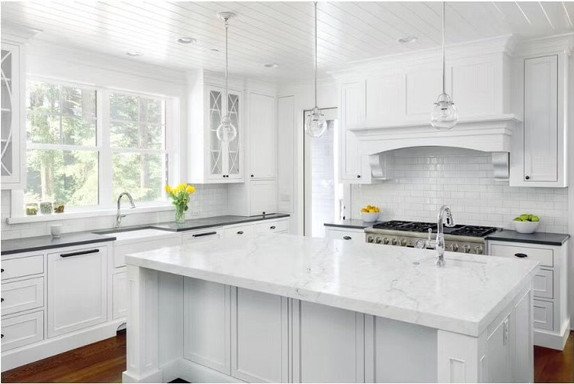
Daily care: how to keep clean granite countertops
Caring for granite starts with simple daily habits. Do these right, and you’ll rarely face big problems.
Use the right cleaners on granite
To maintain clean granite countertops without damaging the finish or sealer:
Do use:
- A few drops of mild dish soap in warm water
- pH-neutral, stone-safe cleaners made for granite
- Soft microfiber cloths or non-scratch sponges
Avoid:
- Vinegar, lemon, or citrus-based cleaners
- Bleach, ammonia, or harsh “all-purpose” sprays
- Abrasive powders, steel wool, or scouring pads
Harsh chemicals and abrasives can dull the shine, strip the sealer, and make future removing stains from granite harder.
Wipe spills quickly
Granite is forgiving, but not invincible. To prevent stains:
- Blot, don’t scrub, spills like wine, coffee, oil, and tomato sauce
- Rinse with clean water and mild soap, then dry with a soft cloth
- Don’t let dark liquids sit on the surface overnight
Even sealed granite can eventually stain if spills are left long enough, especially on lighter stones.
Protect granite from heat and scratches
Granite handles heat better than many surfaces, but as part of good care:
- Use trivets or hot pads under very hot pots and pans
- Use cutting boards instead of cutting directly on granite
- Avoid dragging cast iron, rough ceramics, or appliances across the surface
This protects both the sealer and the polished finish, reducing the need for future polishing granite surfaces.
Sealing granite: the foundation of granite care
Why sealing granite is essential
Because granite is slightly porous, unsealed or poorly sealed areas can absorb:
- Oils and grease (which darken the stone)
- Wine, coffee, and colorful liquids
- Water, which can cause dark spots or rings
A good penetrating sealer:
- Dramatically reduces absorption
- Gives you time to wipe spills before they soak in
- Keeps your white granite countertop and lighter stones from discoloring
How often should you seal granite?
There’s no one-size-fits-all answer, but many kitchens benefit from sealing:
- Every 1–3 years, depending on stone density and usage
- More often for very light, porous stones and heavy-use kitchens
The easiest way to tell is with a water test:
- Put a small puddle of water on the countertop.
- Let it sit for 10–15 minutes.
- Wipe it away and check the stone.
If the granite darkened under the water, it’s absorbing moisture and it’s time for sealing granite again.
Basic steps to seal granite countertops
- Clean the granite thoroughly and let it dry completely.
- Apply a penetrating granite sealer evenly with a soft cloth or applicator pad.
- Let it dwell for the time specified in the product instructions.
- Wipe off any excess sealer and buff with a clean microfiber cloth.
Done regularly, this simple process is the most important step in caring for granite.
Dealing with damage: stains, chips, and cracks in granite
Even with great care, accidents happen. Knowing how to respond is part of proper granite countertop care.
Removing stains from granite
If you do get a stain:
- Identify the type (oil, water, organic, rust, etc.)
- Use a stone-safe stain remover or poultice designed for granite
- Avoid aggressive household chemicals that could etch or discolor the surface
Most stains are fixable, especially when the granite has been sealed and the stain is relatively fresh.
Repairing chips in granite
Chips usually occur:
- On outside corners of countertops
- Around sinks and dishwashers
- On overhangs and bar tops
Small chips can often be handled with:
- Color-matched epoxy or resin
- Careful filling and sanding, followed by polishing granite surfaces
For a DIY-friendly overview, see:
How to repair chipped granite with superglue
Fixing cracked granite
Cracks require more attention than chips. They can be:
- Hairline cracks, usually cosmetic with no height difference
- Structural cracks, with movement or uneven sides
In-depth repair guides you can reference:
Serious cracks are best evaluated by a professional, especially if they cross seams or unsupported spans.
Protecting granite countertops to prevent repeat damage
Once repaired, you’ll want to minimize future damage. A great general prevention overview is:
How to protect granite countertops
Design & cost: making granite care easier from day one
Granite countertop cost & smart selection
Your granite countertop cost depends on:
- Color and pattern (common colors = more affordable granite countertop options)
- Slab thickness and edge style
- Layout complexity (islands, curves, multiple cutouts)
- Fabrication and installation rates in your area
You can buy granite through:
- Local stone yards and fabricators
- Kitchen and bath showrooms
- Big-box stores with packaged install
- Fabricators connected to wholesale granite suppliers
Choosing a stone that fits your budget and lifestyle makes caring for granite more satisfying—you’re protecting an investment you truly value.
Granite backsplash designs and edge profiles
Some design choices make care simpler:
- Full-height granite backsplash designs protect walls and seams from water and stains
- Slightly rounded edges are less prone to chipping than razor-sharp square edges
- Seam placement away from sinks and cooktops reduces stress and crack risk
Thoughtful design up front means less time repairing chips in granite later.
Pairing granite with cabinet colors
Great design is part of long-term care, too—if you love the look, you’ll happily maintain it:
- Cool-toned granites pair beautifully with white or grey cabinets
- Warm-toned stones complement wood and cream finishes
- Dark black granite countertops can anchor light cabinets and give a sleek, modern contrast
The right combination keeps your kitchen feeling fresh and timeless, so you won’t feel pressure to replace your granite early.
Natural stone countertop comparison: granite vs other materials
Understanding how granite compares to other surfaces clarifies why its care routine is so popular.
Granite vs quartz countertops
- Granite
- 100% natural stone
- Needs periodic sealing
- Excellent heat resistance
- Can be repaired and polished
- Quartz (engineered)
- Crushed stone + resins
- No sealing required
- More sensitive to high heat
- Very consistent patterns
If you want pure natural beauty and high heat resistance, granite is hard to beat.
Granite vs marble: pros and cons
In granite vs marble: pros and cons:
- Marble
- Softer and more prone to scratching and etching
- Requires very careful cleaning and quick spill response
- Granite
- Harder, more forgiving, and generally easier to care for
- Better suited to busy family kitchens
Granite vs soapstone durability
- Soapstone is non-porous and stain-proof, but soft and easier to scratch or dent.
- Granite stays glossy longer and resists physical wear better, making it more practical in most households.
Granite better than concrete countertops
Concrete can look cool and industrial, but:
- It’s prone to cracking and staining
- It requires frequent sealing and meticulous installation
For many people, granite better than concrete countertops in terms of care, reliability, and long-term appearance.
Aardwolf granite: when you want stone that’s worth caring for
If you’re committed to caring for your countertops, it makes sense to start with high-quality stone and installation.
Aardwolf granite countertop collection
The Aardwolf granite countertop collection focuses on:
- Carefully chosen Aardwolf premium granite slabs for superior strength and appearance
- A curated selection of the best Aardwolf granite colors, from timeless neutrals to bold, modern statements
Aardwolf granite installation services & pricing guide
With Aardwolf granite installation services, you benefit from:
- Professional templating and support planning to minimize cracking risk
- High-quality seam placement, edges, and cutouts for sinks and cooktops
- Expert advice on sealing, cleaning, and ongoing granite care
The Aardwolf granite pricing guide helps you:
- Understand how color, thickness, and details affect your granite countertop cost
- Compare value across different stones and affordable granite countertop options
- Choose a granite that matches both your design vision and maintenance style
Quick checklist: how to care for granite countertops every day
To keep your granite at its best, remember:
- ✅ Clean daily with mild, stone-safe products
- ✅ Blot spills quickly—especially oil, wine, coffee, and tomato sauce
- ✅ Use cutting boards, trivets, and coasters
- ✅ Test absorption and seal granite every 1–3 years
- ✅ Avoid vinegar, bleach, and abrasives
- ✅ Address chips and cracks early using: