
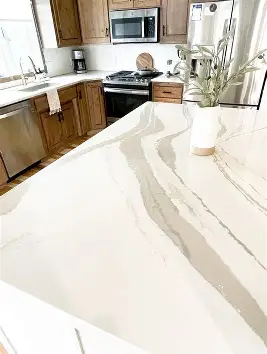
Granite is a durable, natural granite stone prized for its glimmering, crystalline depth—thanks to interlocking quartz, feldspar, and mica. Yet even the best slabs lose luster over time. Daily grime, hard-water minerals, soap film, sticky cooking oils, and the wrong cleaners leave polished surfaces dull. If your white granite countertop looks hazy or your black granite countertops show streaks, this guide walks you through everything—from fast daily refreshes to deep, stone-safe polishing—so you bring back a brilliant, mirror-like shine without harming the finish or sealer.
Below, you’ll find a complete routine, troubleshooting tips, and smart maintenance schedules. We’ll also weave in the “why” (granite geology and composition) so you understand what actually makes granite shine and how to protect it long-term.
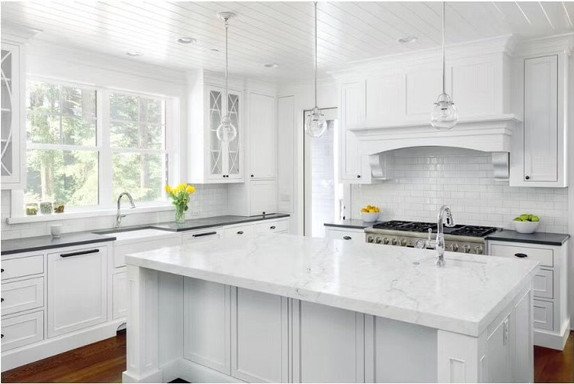
The Science of Shine (and Why Granite Gets Dull)
Granite is an igneous rock composed largely of quartz and feldspar with flecks of mica or amphibole. On a polished surface, light penetrates the translucent minerals and reflects back—creating depth and sparkle. That optical clarity fades for a few predictable reasons:
- Residue build-up: Dish soaps, all-purpose sprays, furniture polishes, and aerosol oils can leave films that scatter light.
- Hard-water scale: Mineral deposits (calcium/lime) around sinks and faucets leave a dull, grayish cast.
- Grease and micro-grit: Kitchen aerosols and fine dust cling to textured areas and edges, muting reflection.
- Product missteps: Acidic cleaners (vinegar, lemon), bleach, glass cleaner, abrasive powders, and melamine sponges can degrade gloss or strip sealer.
- Sealer haze: Excess sealer left on the surface (instead of wiped off) dries to a cloudy film.
Knowing the culprits is half the battle. The rest is a smart, stone-safe routine.
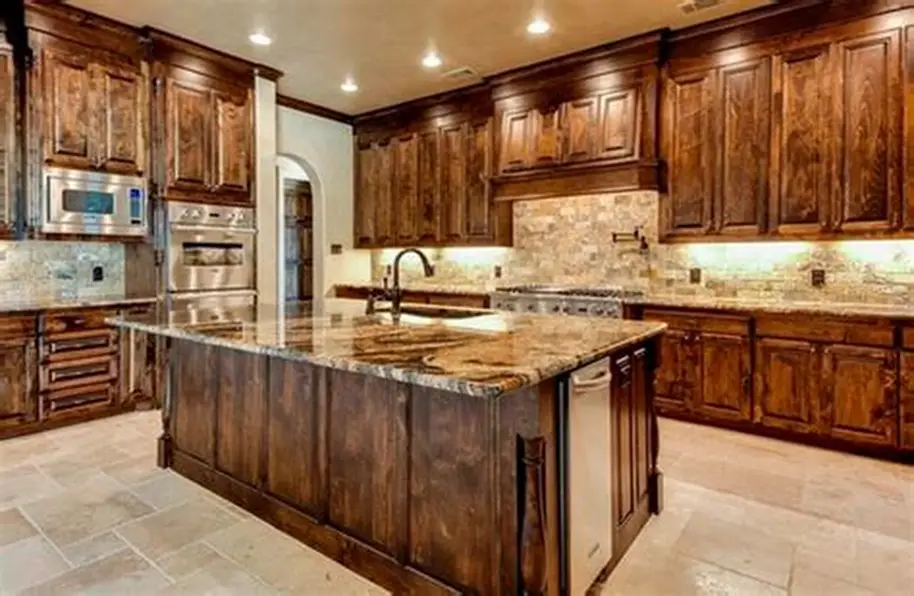
Quick Diagnosis: Do You Need Polish, Sealer, or Just a Deep Clean?
The Water-Drop Test (Absorption)
Place a teaspoon of water on a clean area for 10–30 minutes.
- Dark spot remains after you wipe: the stone is absorbing; consider sealing (after you clean/polish).
- No darkening: the surface is likely well sealed or naturally dense; focus on cleaning + polishing.
For planning your sealing cadence, bookmark how often should you seal granite countertops?
The Tape Test (Film Check)
Apply painter’s tape to a cloudy patch, burnish with your thumb, then peel. If the taped zone looks clearer, you’re dealing with a surface film. A proper deep clean and buff will transform the sheen quickly.
What You’ll Need (Stone-Safe Essentials)
- Plush edgeless microfiber cloths (several, to avoid re-depositing film)
- pH-neutral stone cleaner for everyday wipe-downs
- Stone-safe degreaser (for cooking splatter zones)
- Stone-safe descaler (for hard-water deposits near sinks)
- Granite polishing cream or stone polish (non-acid, non-wax, designed for natural stone)
- Optional: 70% isopropyl alcohol (streak relief on dark stones)
- Nitrile gloves and good ventilation
Avoid: vinegar, lemon, bleach, ammonia, bathroom/tile sprays, abrasive powders, melamine erasers, and glass cleaners. These can dull finishes, attack resin in some stones, or strip sealers—especially noticeable on deep, dark slabs.
The Shine-First Routine: Clean → Dry → Polish → (Seal if Needed)
1) Deep Clean to Remove Film and Grime
- Dry dust with a microfiber to lift grit (protects against micro-scratches).
- Spray pH-neutral stone cleaner and wipe in overlapping passes.
- Degrease high-use cooking zones with a stone-approved degreaser; rinse.
- Descale faucet bases and sink rims using a stone-safe mineral remover; rinse thoroughly.
- Dry buff with a fresh microfiber until your cloth glides and the surface flashes.
Dark granite tip: After cleaning, mist a light pass of 70% isopropyl alcohol and immediately buff dry; it helps remove the last traces of oily haze without harming the sealer.
2) Hand Polish to Restore Optical Depth
- Ensure the stone is clean and fully dry.
- Apply a pea-sized dot of granite polishing cream to a folded microfiber.
- Work a 2–3 sq ft section in tight, overlapping circles with light pressure.
- Buff off immediately with a second, dry microfiber—don’t let product dry on the surface.
- Repeat across the top. The goal is less product, more buffing for crisp reflectivity.
For techniques and product styles, see:
3) Seal (Only If the Water-Drop Test Says So)
Sealers don’t add gloss; they reduce absorption to prevent deep stains. If your test shows absorption:
- Apply a thin, even coat of an impregnating sealer to a manageable area.
- Let it dwell per label (so it penetrates the pores).
- Buff off all excess before it dries—sealer belongs in the stone, not as a surface film.
- Respect cure time (often 24–72 hours) before heavy use or polishing.
Granite is heterogeneous; some areas (like sink rails) may absorb faster than the island. Seal selectively and test seasonally rather than following a one-size-fits-all timeline. For planning: How often should you seal granite countertops?
Finish-Specific Shine Strategies
Polished Granite (High Gloss)
- Responds quickly to residue removal and light cream polish.
- Skip waxes or “wet-look” acrylics; they attract dust and smear.
Honed Granite (Matte/Satin)
- Aim for a rich, even glow, not a mirror. Hand polish can enhance color depth and clarity, but it won’t convert honed to high gloss without mechanical refinishing.
Leathered/Brushed Granite (Textured)
- Texture hides fingerprints but can trap soap/oil film.
- Use minimal product, thorough degreasing, and meticulous dry buffing to avoid residue in micro-valleys.
Daily, Weekly, and Seasonal Maintenance (to Keep the Shine)
- Daily (or after cooking): pH-neutral clean → thorough dry buff.
- Weekly: Degrease cooking zones; descale around sinks/faucets.
- Monthly: Quick, light hand polish on feature areas (island, breakfast bar).
- Seasonally: Run the water-drop test in multiple zones and seal only where needed. Different slabs—and different spots on the same slab—can behave differently based on natural vs. engineered granite traits, porosity, and usage patterns.
Troubleshooting: Haze, Streaks, and Stains
Persistent Cloudiness After Cleaning
- Likely residue or over-applied sealer. Re-clean with a stone-safe degreaser, rinse, dry buff, then do a very light polish and a final dry buff.
- If you see a rainbow sheen, you used too much polish. Re-emulsify with a tiny amount, then buff completely off.
Water Spots & Mineral Rings
- Use a stone-safe descaler; rinse thoroughly and dry buff.
- Re-test absorption; seal that area if it darkens quickly.
Oil or Food Stains (Coffee, Wine)
- Use a stone poultice matched to the stain type (oil vs. tannin).
- After removal, consider sealing that zone.
Chips, Nicks, or Edge Wear
- Polishing won’t fill voids. For repairs, call a fabricator who specializes in repairing chips in granite and edge refinishing. Keeping a robust shine reduces visual attention to tiny imperfections.
Design & Use Tips That Protect the Shine
- Use cutting boards to avoid micro-abrasion and keep knives sharp.
- Wipe spills promptly, especially oils, wine, coffee, and tomato sauce.
- Dry after cleaning—water left to air-dry can show mineral spots, particularly on darker stones.
- Choose backsplashes and cabinet colors that complement your movement and veining to visually boost perceived gloss (granite backsplash designs can amplify reflected light).
- For heavy-use kitchens, compare granite vs quartz countertops honestly: granite excels in heat resistance and uniqueness; quartz wins for uniform color and low maintenance—but can show chemical dulling with harsh cleaners. Granite, when cleaned and polished correctly, remains a top performer for busy homes.
One-Page “Shine in Ten” Checklist
- Dry dust to remove grit.
- Spray pH-neutral stone cleaner; wipe thoroughly.
- Degrease stove/splash zones; rinse.
- Descale sink/faucet areas; rinse.
- Dry buff with clean microfiber until slick.
- Dot of polish (pea-size) → 2–3 sq ft in circles.
- Buff off immediately with a second, dry microfiber.
- Repeat section by section.
- Perform water-drop test in a few zones.
- Seal only where needed—never leave sealer on the surface.