
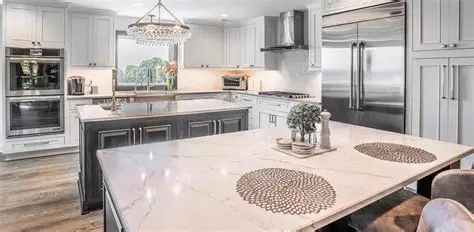
A tiny drop of superglue on granite can feel like a disaster—especially if it’s on a brand-new island or your favorite white granite countertop. The good news? In most cases you can remove superglue from granite safely at home without ruining the polish or sealer, as long as you use the right products and a gentle technique.
This guide walks you through:
- Why superglue sticks so strongly to granite stone
- Step-by-step methods to remove it safely
- What to avoid so you don’t etch or dull the surface
- How to clean, reseal, and protect your granite after removal
- How this all fits into the bigger picture of granite care, cost, and design

Why Superglue Sticks to Granite Stone
Superglue (cyanoacrylate) is designed to:
- Cure quickly
- Bond tightly to non-porous, hard surfaces
- Form a rigid, plastic-like layer once dry
Granite geology and composition make it especially attractive to superglue:
- Granite is a hard, crystalline rock made from interlocking minerals (mainly quartz and feldspar).
- The polished surface is very smooth and, when sealed, relatively non-porous.
- Superglue loves smooth, rigid surfaces—so it grips tightly to a polished granite stone top.
The same characteristics of granite that make it great for clean granite countertops—durability, hardness, and a glossy finish—also make it unforgiving when glue spills.
Before You Start: Important Granite Safety Tips
Before attacking that glue spot, keep these rules in mind:
- Always test first – Try any chemical (like acetone) in a hidden corner to make sure it doesn’t dull the finish.
- Avoid harsh abrasives – No steel wool, no coarse powders; they can scratch polished granite.
- Skip strong acids – Vinegar, lemon juice, bathroom cleaners, etc. can damage the sealer and etch stone.
- Go slow and gentle – The goal is to remove the glue, not grind off a layer of granite.
If your granite is part of a high-end installation (for example, an Aardwolf granite countertop collection project with Aardwolf premium granite slabs), this is especially important—you want to protect your investment.
Step 1 – Assess the Superglue on Your Granite
Look closely at the glue spot:
- Is it fresh and still tacky?
- Slightly hardened on the surface but thin?
- Completely cured, thick, and hard?
Also note:
- The finish (polished, honed, or leathered)
- The color (light vs dark—superglue is more noticeable on white and light gray stones)
Fresh glue is easier to deal with than a fully cured blob that’s been there for days.
Step 2 – For Fresh Spills: Blot, Don’t Smear
If the superglue is still wet or tacky:
- Blot gently
- Use a dry paper towel or soft cloth.
- Touch the surface lightly to pull up as much glue as possible.
- Don’t wipe or smear—it just spreads the glue over a larger area.
- Apply a soapy cloth
- Mix a small amount of mild dish soap with warm water.
- Dampen a microfiber cloth and gently wipe around (not across) the glue area.
- Let it cure if needed
- If some glue remains, allow it to harden fully.
- Superglue is often easier to chip off carefully once it’s fully cured.
Never flood a fresh spill with water—it can cause the glue to run and create a larger mess on your granite countertops.
Step 3 – Gently Scrape Hardened Superglue from Granite
Once the glue is fully hardened:
- Use a fingernail or plastic scraper
- Start with the least aggressive tool.
- Hold it almost flat against the granite and gently nudge the edge of the glue.
- Try to lift or chip it off in small pieces.
- On polished granite: consider a razor blade (with caution)
- Use only on polished surfaces, not heavily textured or leathered finishes.
- Hold a single-edge razor blade almost parallel to the surface.
- Gently slide under the edge of the glue blob—don’t dig downward.
- Work slowly
- Several light passes are safer than one aggressive scrape.
This mechanical removal often takes off most of the glue, especially if it’s a small drop. If a thin layer remains, move to a solvent.
Step 4 – Use Acetone Carefully on Granite to Dissolve Superglue
Acetone (found in many nail polish removers) can soften or dissolve cyanoacrylate superglue—but you must use it carefully on granite.
Always test acetone in an inconspicuous corner before using it on a visible spot.
How to use acetone safely on granite
- Choose the right product
- Pure acetone or non-oily nail polish remover is best.
- Avoid removers with added colors, moisturizers, or perfumes when possible.
- Apply with a cotton swab or pad
- Dampen (don’t soak) a cotton ball or pad with acetone.
- Gently dab it on the remaining glue, keeping it as localized as possible.
- Wait briefly
- Let it sit for 1–2 minutes to soften the glue.
- Don’t leave acetone on the surface for long periods.
- Scrape again
- Use your plastic scraper or razor blade (for polished granite) to lift the softened glue.
- Rinse immediately
- Wipe the area with a damp cloth and mild dish soap.
- Rinse with clean water and dry thoroughly.
If the glue is very stubborn, you may need to repeat this process a couple of times.
Step 5 – Stubborn Superglue on Granite: Poultice Method
If a translucent film of superglue remains even after scraping and acetone, you can try a mild poultice to draw out residue from the stone’s microscopic surface texture.
Note: This is for thin, stubborn films—not thick blobs (those should be scraped first).
- Mix a paste
- Combine baking soda with a small amount of acetone until it forms a thick paste (like peanut butter).
- Apply to the affected area
- Spread a thin layer over the superglue spot, slightly beyond its edges.
- Cover and wait
- Cover with plastic wrap and tape the edges.
- Let sit for 30–60 minutes so the acetone can soften the glue while the baking soda absorbs.
- Remove and rinse
- Remove the plastic, wipe away the paste with a damp cloth.
- Clean with mild soap and water and dry thoroughly.
If the granite looks slightly dull afterward, don’t panic—this is where finishing and sealing come in.
Step 6 – Clean, Inspect, and Reseal Granite After Superglue Removal
Once the glue is gone:
- Clean the whole area
- Use a pH-neutral stone cleaner or mild dish soap and warm water.
- Wipe with a microfiber cloth and dry to restore that clean granite countertop look.
- Check for dullness or hazing
- Inspect under good lighting.
- If the shine is slightly reduced where you used acetone or a blade, you may need to:
- Use a granite-safe polish, or
- Have a pro polish granite surfaces for a seamless finish.
- Reseal if necessary
- Solvents can sometimes weaken or strip the sealer.
- If water no longer beads on the surface around that spot, it’s time to seal granite again in that area (or across the whole countertop).
Sealing helps protect against future mishaps, including removing stains from granite like water rings, coffee, or rust.
For more on those specific issues, see:
- How to Remove Rust from Granite?
- https://allslabs.net/how-to-remove-water-stains-from-granite-5/
- https://allslabs.net/how-to-remove-coffee-stains-from-granite/
Preventing Superglue Spills on Granite in the Future
A little planning goes a long way:
- Use a protective barrier – Lay down cardboard, craft paper, or a silicone mat when working with glue near granite stone.
- Keep superglue away from seams and edges – Hard glue at a seam or edge can be harder to remove without damaging caulk or the profile.
- Work over a tray – If you do crafts or repairs in the kitchen, use a dedicated tray that can catch drips.
These small steps help keep both white granite countertops and dark black granite countertops free of accidental glue marks.
Granite Stone in Context: Durability, Comparisons, and Cost
Superglue mishaps are a reminder that even the toughest materials need proper care. It’s also a good time to remember where granite stands in a natural stone countertop comparison.
Granite vs quartz countertops
- Granite (natural):
- Unique mineral patterns
- Great heat resistance
- Needs sealing, but handles mechanical and chemical challenges well when treated correctly
- Quartz (engineered):
- Very uniform and non-porous
- More sensitive to high heat
- Less likely to stain, but superglue can still bond strongly to its resin surface
Granite vs marble: pros and cons
- Granite – harder, more scratch- and etch-resistant
- Marble – softer, more susceptible to acid and scratching; superglue removal is more delicate
Granite vs soapstone durability
- Granite – crystalline, very strong and resilient
- Soapstone – softer, can scratch and dent more easily, though naturally non-porous
Granite better than concrete countertops
- Granite – less prone to hairline cracks and easier to maintain
- Concrete – customizable but more maintenance-heavy and sensitive to chemical damage
All of these are reasons many homeowners still choose granite—and why high-quality lines like the Aardwolf granite countertop collection remain popular.
Granite Countertop Cost, Suppliers, and Aardwolf Options
If you’re dealing with superglue on an older surface, you might also be thinking about an upgrade.
Granite countertop cost is influenced by:
- Rarity and origin of the stone
- Color and pattern (classic vs exotic)
- Slab thickness and size
- Edge profiles and cutouts
For affordable granite countertop options, you can:
- Choose widely available colors
- Use standard edge profiles
- Work with reputable wholesale granite suppliers through a local fabricator
The Aardwolf granite countertop collection helps simplify this:
- An Aardwolf granite pricing guide clarifies budget vs premium selections
- Aardwolf premium granite slabs offer standout patterns and colors
- Aardwolf granite installation services make sure counters are measured, cut, and installed precisely
- You can browse the best Aardwolf granite colors for your cabinets, flooring, and granite backsplash designs