

Sealing granite for the first time is one of the highest-ROI home care tasks you can do. It protects against stains, keeps surfaces easy to wipe, and preserves that crisp, reflective finish people love about granite stone. This expert, first-timer-friendly guide covers everything: how to test if sealing is needed, what kind of sealer to buy, the exact application method, common mistakes to avoid, and how sealing interacts with cleaning, polishing, and long-term maintenance. Along the way we’ll weave in practical tips for white granite countertop selections, black granite countertops, kitchens vs. baths, and even budgeting and sourcing considerations.
Pro handling tip: moving heavy tops? Use purpose-built carts, clamps, and frames—see Toolrange for professional stone-handling equipment.
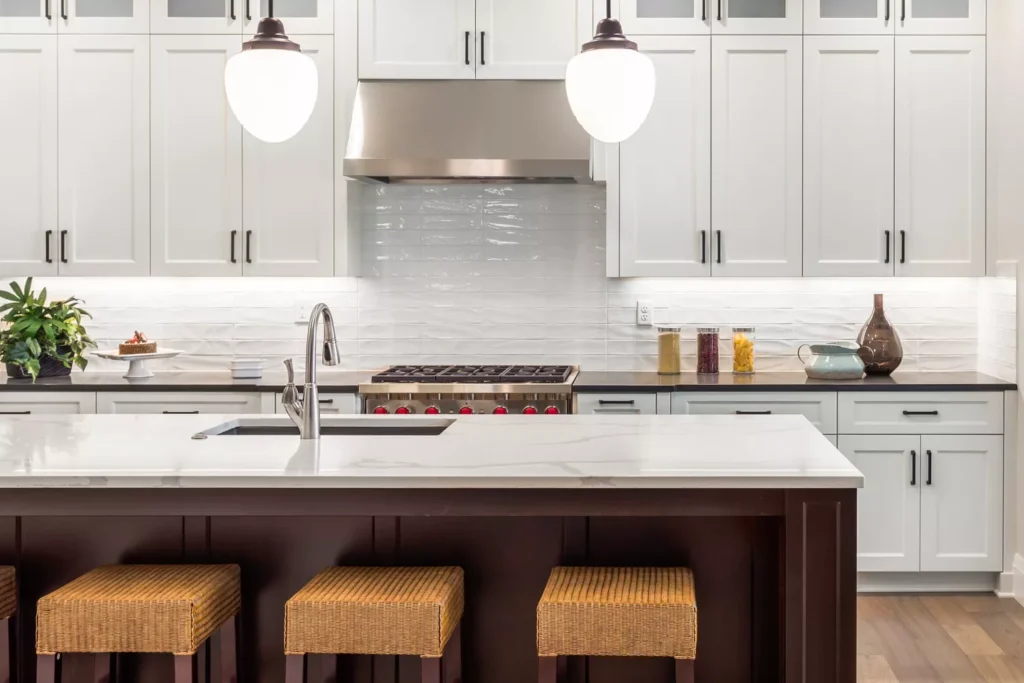
Why Granite Needs Sealing (Especially the First Time)
Granite is an igneous natural stone composed primarily of quartz and feldspar with interlocking crystals and microscopic pores (that granite geology and composition is what makes it both tough and slightly absorbent). Those pores can wick in oil, wine, coffee, make-up, and colored cleaners. A good impregnating sealer fills micro-pores just below the surface to dramatically reduce absorption without creating a plastic film. Benefits:
- Better resistance to water and oil-based stains
- Faster, easier clean granite countertops routines
- Helps maintain the reflective polish and color consistency
- Lower long-term granite countertop cost (fewer professional restorations)

Do You Need to Seal? The 60-Second Absorption Test
Before you buy anything, test your specific slab(s). Different granites vary in density; some jet-black varieties are naturally less absorbent, while many lighter stones—and honed or leathered finishes—absorb more readily.
- Clean a 6″ x 6″ area with a pH-neutral stone cleaner; dry thoroughly.
- Put a teaspoon of water on the surface.
- Time how long it takes the spot to darken:
- Darkens in 1–5 minutes: seal now (likely two coats).
- Darkens in 5–15 minutes: seal soon (one to two coats).
- 30+ minutes / no change: you may be protected; retest in high-use areas.
Tip: Repeat near the sink, dishwasher, cooktop, and on backsplash lips. Edges and seam areas can be more absorbent.
Choosing the Right Sealer (First-Time Buyers’ Primer)
Impregnating/penetrating sealers are the gold standard for granite. They reside below the surface, preserving the natural feel and appearance.
Water-Based vs. Solvent-Based
- Water-based: low odor, easy cleanup, more eco-friendly; excellent on many stones.
- Solvent-based: tend to penetrate slightly deeper on very dense stone; ensure great ventilation.
Enhancing Impregnator (Optional)
If you want to “pop” color and veining on honed or leathered finishes, an enhancer can deepen tones. Always test in an inconspicuous spot; enhancement is essentially permanent unless resurfaced.
Label checklist: “Safe for granite/natural stone,” oil + water repellency, dwell time, re-coat window, and cure time. Avoid “topical” coatings that form a film—those can scratch or haze and aren’t ideal for kitchen worktops.
What You’ll Need (First-Timer Kit)
- pH-neutral stone cleaner and two microfiber cloths
- Painter’s tape (to protect walls, wood trim, faucet bases)
- Gloves and eye protection; fans or open windows for ventilation
- Sealant applicator pad (foam or microfiber)
- A stack of clean, lint-free microfiber towels for wipe/buff
- Your chosen granite sealer
Moving or installing new tops? Proper lifting and transport reduce chips and cracks. Pros rely on clamps, booms, and frames like those from Toolrange.
First-Time Sealing: The Exact Step-by-Step
1) Deep Clean and Dry
- Spray a pH-neutral stone cleaner; wipe thoroughly.
- Rinse with clean water; buff completely dry.
- Allow 30–60 minutes of air-dry time—moisture trapped in pores blocks sealer.
2) Mask and Prep
- Tape along walls/backsplash, around the sink and wood trim.
- Clear the counters so you can work methodically without stopping.
3) Test in a Hidden Area
- Apply a small amount of sealer under the countertop overhang or behind an appliance.
- Confirm there’s no unwanted color change (unless you’re using an enhancing sealer intentionally).
- Make sure residue wipes clean—no streaks or smears after buffing.
4) Apply a Thin, Even, Wet Coat
- Work in 2–3 ft zones.
- Flood enough product to wet the surface evenly (not puddling).
- Massage into edges, seams, sink cutouts, faucet bases, and any granite backsplash returns.
- Keep the surface visibly wet for the full label dwell time (often 5–15 minutes). If a spot dries, apply more sealer there—fast drying = higher porosity.
5) Remove All Excess and Buff Clear
- Before the sealer dries on the surface, wipe thoroughly with a clean microfiber towel.
- Immediately follow with a second, dry microfiber to buff to a streak-free, crystal-clear finish.
- Any leftover film can cure into haze—when in doubt, keep buffing.
6) Apply a Second Coat (If Needed)
- Many first-time projects—especially white granite countertops or honed/leathered finishes—benefit from a second coat.
- Follow the label’s re-coat window (often 10–30 minutes after wipe-off).
- Wipe and buff again until perfectly clear.
7) Respect the Cure Time
- Light use: usually after several hours.
- Avoid spills for 24 hours.
- Full cure: 24–72 hours depending on product and conditions (temp, humidity).
Common First-Timer Mistakes (and How to Avoid Them)
- Letting sealer dry on the surface: always wipe and buff before it dries.
- Skipping the test spot: different stones react differently—always test.
- Over-applying: more product sitting on top ≠ better protection; penetration is what matters.
- Not ventilating: especially with solvent products, open windows and run fans.
- No second coat on thirsty areas: sinks, seams, and light stones often need that extra pass.
Special Notes by Color and Finish
White & Light Granites
- Tend to be more absorbent. Emphasize oil-repelling sealers and give faucet rails, dishwasher edges, and food-prep zones extra attention.
Black & Very Dark Granites
- Often denser; may require fewer coats. Still seal high-use zones and always do the water test. Even dense dark stones can absorb oil in seam lines.
Polished vs. Honed vs. Leathered
- Polished: easiest to buff streak-free.
- Honed/Leathered: usually take more product; expect two coats and longer dwell in some areas. Consider an enhancing sealer if you want deeper color and more contrast in movement.
Cleaning & Sanitizing After Sealing (Protect the Seal)
Daily care should be simple and stone-safe:
- Use a pH-neutral stone cleaner or a small amount of mild dish soap in warm water.
- Rinse with clean water; buff dry to avoid water spots and soap film.
- For hygienic sanitizing: clean first, then a light spritz of 70% isopropyl alcohol with short dwell; wipe and dry. Avoid harsh disinfectants that can degrade sealers.
Avoid: vinegar, bleach, ammonia, oven cleaner, and strong degreasers. They can dull the finish or strip sealer prematurely.
Polishing Granite Surfaces (After Sealing)
Polishing compounds and sprays made for natural stone can heighten luster but shouldn’t replace sealing. Polish only after the sealer has fully cured (check your label). For polishing granite surfaces that look dull due to soap film, use a stone-safe film remover first, then polish.
Stain Removal & Minor Repairs
- Oil stains: Apply a stone-safe poultice; allow to dry completely; remove; repeat if needed; then reseal the spot.
- Organic stains (wine/coffee): Use a recommended stone poultice/oxidizer; avoid chlorine bleach on sealed granite.
- Repairing chips in granite: Small pits and pinholes near the sink can often be filled with clear resin kits; for visible edge chips, consider a professional fabricator.
- Removing stains from granite: The sooner you act, the easier the lift.
Kitchens vs. Bathrooms: Small Tweaks That Matter
- Kitchens (Quartz vs. Granite Countertops context): Granite prefers sealing; quartz (engineered) typically doesn’t. Granite wins on natural variation and heat resistance; quartz is ultra-consistent and usually lower maintenance.
- Bathrooms: Lotions and cosmetics are oil-heavy. Seal vanities and backsplashes more frequently around the faucet and mirror stand areas.
- Laundry/Mud Rooms: Watch for detergents and harsh cleaners—protect with sealer and stone-safe routines.
Cost, Sourcing & Showroom Tips
Understanding granite countertop cost goes beyond the slab price. Fabrication complexity (edge profiles, cutouts), finish (polished vs. honed vs. leathered), and stone rarity all influence price. When exploring granite countertop showrooms, wholesale granite suppliers, or affordable granite countertop options:
- Ask about factory pre-sealing and what product was used.
- Request absorption data or perform the water test onsite.
- Confirm recommended sealing interval for your exact stone.
- Evaluate edges (eased, beveled, ogee) and seams—they affect both looks and maintenance.
How Often Should You Reseal?
There’s no universal calendar—use the water drop test every 6–12 months in high-use areas. Many households reseal annually; very dense stones can go 2–3 years. If you notice darkening where water sits or slow-fading rings, it’s time.
Troubleshooting: Haze, Streaks, and Blotches
- Haze after sealing: Re-wet the area with a small amount of the same sealer; immediately wipe and buff thoroughly with fresh microfiber.
- Streaks: Usually leftover residue. Rebuff with a clean, dry microfiber; if needed, a light spritz of stone cleaner helps lift it.
- Blotchy appearance on honed/leathered: Apply a second, even coat; keep dwell consistent; wipe and cross-buff to unify sheen.
FAQs (First-Time Sealing)
Will sealing change the color?
Standard impregnators shouldn’t. Enhancing sealers will deepen color by design—always test first.
Is sealing food-safe?
After full cure (per label), reputable stone sealers are food-prep safe.
Can I seal right after installation?
Yes—once the stone is clean, dry, and dust-free. If the fabricator applied a shop sealer, ask which product and when to reapply.
Does sealing fix etches?
Granite rarely etches like marble, but if a chemical dulled the surface, that’s a finish issue—call a pro for mechanical re-polishing.
Quick First-Time Checklist (Print & Tape Inside a Cabinet)
- Clean → rinse → dry (30–60 min).
- Mask edges; ventilate well.
- Test a hidden spot.
- Thin, even application; maintain wet dwell time.
- Wipe all excess; buff crystal-clear.
- Apply a second coat if needed.
- Respect cure time before heavy use/spills.
- Clean with pH-neutral products; avoid harsh chemicals.
- Water-test every 6–12 months; reseal as needed.
The Bottom Line
Sealing granite countertops for the first time isn’t complicated—success comes from testing your stone, choosing a true impregnating sealer, applying thin and even, and buffing every trace of residue before it dries. Do that, and you’ll lock in the natural beauty of your granite stone—from airy whites with graceful movement to moody blacks with mirror gloss—while keeping daily care fast and worry-free. And if you ever need to move or install new tops, remember that proper stone handling with professional tools (see Toolrange) protects the investment you just sealed.
related article:
https://allslabs.net/how-to-disinfect-granite-countertops/
https://allslabs.net/how-to-sanitize-granite-countertops-daily/
https://allslabs.net/how-to-sanitize-granite-countertops-daily-2/
https://allslabs.net/how-to-seal-granite-countertops/
https://allslabs.net/how-to-seal-granite-a-complete-stone-safe-guide-for-long-lasting-beauty/