
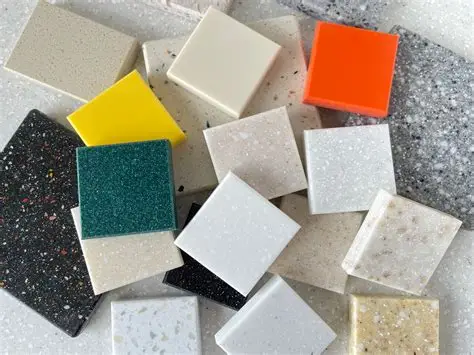
When planning a kitchen or bathroom remodel, one of the first questions many homeowners ask is: how can I tell quartz from granite? Both materials are extremely popular for countertops, but they differ in origin, appearance, and maintenance needs. Knowing these differences helps you make an informed choice that balances style, durability, and cost.
Understanding Granite
What is Granite Stone?
Granite stone is a natural igneous rock formed deep within the Earth when magma cools slowly over millions of years. Its geology and composition include quartz, feldspar, and mica, giving it unique textures and mineral patterns. No two slabs of granite are identical.
In quarries, massive blocks of granite are extracted using heavy equipment such as block lifting clamps before being cut, polished, and fabricated into countertops.
Characteristics of Granite
- Natural and unique veining
- High resistance to heat and scratches
- Requires sealing to prevent staining
- Available in colors like white granite countertops and black granite countertops
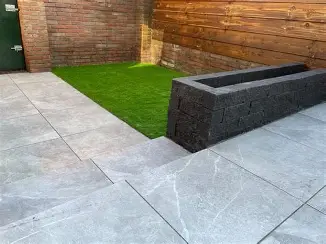
Understanding Quartz
Quartz countertops are engineered products made from 90–95% ground quartz combined with resins and pigments. Unlike granite, which is cut directly from the Earth, quartz is man-made and designed for consistency.
Characteristics of Quartz
- Non-porous and stain-resistant
- Wide color and pattern range
- Uniform appearance
- Requires less maintenance compared to granite
Quartz vs. Granite: How to Tell the Difference
Visual Differences
- Granite: Features irregular mineral patterns, speckles, and natural veining. Each slab looks different.
- Quartz: Exhibits uniform, consistent patterns, often mimicking marble or other natural stones.
Surface Feel
- Granite: Slightly cool and coarse in texture.
- Quartz: Smooth, more polished, and uniform.
Porosity and Maintenance
- Granite: Needs sealing regularly to avoid stains.
- Quartz: Naturally non-porous and resistant to bacteria and staining.
Cost: Quartz vs. Granite
- Granite countertop cost: $40–$200 per square foot depending on rarity.
- Quartz countertop cost: $50–$150 per square foot depending on brand.
Entry-level granite is often cheaper than quartz, though exotic granite slabs can be more expensive. Learn more in:
Style and Design Options
Granite Design Flexibility
Granite slabs can be paired with a wide range of cabinet colors, and are often used in granite backsplash designs. Because granite is natural, it adds timeless beauty to any home.
Quartz Design Flexibility
Quartz offers uniform looks and modern aesthetics, making it popular for sleek, minimalist kitchens.
Durability and Performance
- Granite vs. quartz countertops: Both are durable, but granite handles heat better, while quartz resists stains.
- Granite vs. marble: pros and cons: Granite is harder and more durable, while marble is softer and more prone to etching.
- Granite vs. soapstone durability: Granite is stronger, while soapstone develops a patina over time.
Is Granite Still Popular?
Despite newer materials, granite remains a top choice for homeowners. See: Are Granite Countertops Still Popular?
However, trends shift, and many wonder: What is Replacing Granite Countertops?. Options like quartz, concrete, solid surface, and butcher block are growing in popularity.
Aardwolf Granite Solutions
For those interested in granite, the Aardwolf granite countertop collection offers everything from premium granite slabs to professional installation services. With the Aardwolf granite pricing guide, homeowners and fabricators can easily compare the best Aardwolf granite colors and find the right solution for their project.
Conclusion
So, how to tell quartz from granite? The key lies in the details:
- Granite has natural, unique patterns and requires sealing.
- Quartz is engineered, uniform, and low-maintenance.
Both offer beauty, durability, and value. Your choice ultimately depends on whether you prefer the natural uniqueness of granite or the modern convenience of quartz.