

When choosing the perfect countertop material, one of the most common questions homeowners ask is: is quartz more durable than granite? Both materials are widely popular, offering beauty, strength, and functionality. However, their durability differs in subtle but important ways. In this article, we’ll compare quartz and granite side by side, covering geology, maintenance, cost, and design choices to help you make the best investment for your home.
Understanding Granite Stone
What is Granite?
Granite is a natural igneous rock formed when magma cools slowly deep underground. Composed primarily of quartz, feldspar, and mica, granite is prized for its strength, durability, and unique mineral patterns. Each slab is one-of-a-kind, making granite countertops a timeless choice in kitchens and bathrooms.
Granite is extracted in large blocks using heavy-duty quarry machinery, often moved with specialized tools like the stone lifting clamp to ensure safe handling. From quarry to home, granite retains its natural elegance.
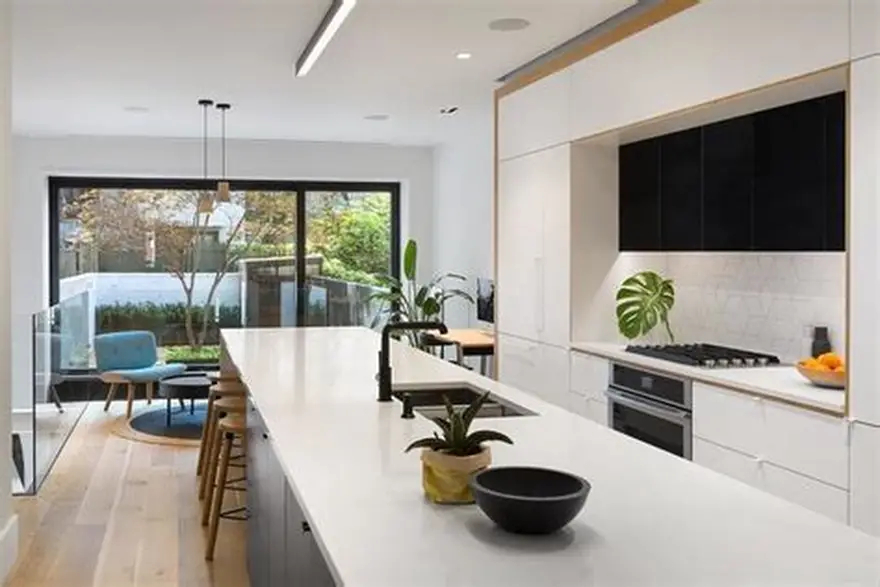
Characteristics of Granite
Granite is known for:
- High strength: Resistant to scratches and heat.
- Porosity: Requires sealing to protect against water and stains.
- Unique aesthetics: Natural variation ensures no two countertops are identical.
- Longevity: With proper care, granite can last for decades.
Granite comes in a wide array of colors, from white granite countertops to black granite countertops, allowing it to blend seamlessly with diverse kitchen and bathroom styles.
What Makes Quartz Different?
Unlike granite, quartz countertops are engineered surfaces made from 90–95% crushed quartz mixed with resin and pigments. This gives quartz surfaces their consistency and non-porous quality.
Quartz is harder than many natural stones, and its man-made composition ensures uniform patterns and colors, making it ideal for homeowners seeking consistency.
Durability: Quartz vs Granite
Scratch and Chip Resistance
On the Mohs hardness scale, granite typically measures between 6 and 7, while quartz scores a consistent 7. This makes quartz slightly harder and more resistant to scratches. However, granite remains incredibly durable and resilient under normal use.
Heat Resistance
Granite performs better under high temperatures. Hot pots and pans can be placed directly on granite without immediate damage, while quartz may discolor or crack under extreme heat due to the resin content.
Stain Resistance
Granite’s porosity means it needs sealing. Without proper care, it can absorb liquids and become stained. Learn more in this guide: Is granite cheaper than quartz?. Quartz, being non-porous, is naturally resistant to stains and bacteria growth, giving it an edge for low-maintenance kitchens.
Maintenance Requirements
- Granite: Requires sealing every 1–2 years, regular cleaning, and occasional attention for repairing chips in granite or polishing granite surfaces.
- Quartz: Virtually maintenance-free, needing only routine cleaning.
For many busy households, quartz’s low-maintenance nature makes it more appealing. However, homeowners who value the authenticity of natural stone often prefer granite despite the added upkeep.
Cost of Granite vs Quartz
Granite Countertop Cost
The price of a granite countertop depends on rarity, slab size, and origin. Costs typically range from $40–$200 per square foot, with more affordable options available through wholesale granite suppliers.
For those searching, here’s a helpful resource on where to buy granite countertops.
Quartz Countertop Cost
Quartz countertops range from $50–$150 per square foot. While often comparable to granite, premium quartz designs can exceed the cost of natural granite.
Granite vs Other Natural Stone Countertops
- Granite vs marble: pros and cons → Granite is tougher and less prone to etching.
- Granite vs soapstone durability → Granite is harder, soapstone is softer but more resistant to chemicals.
- Granite better than concrete countertops → Granite requires less sealing and provides a more luxurious finish.
Design and Aesthetic Appeal
Both granite and quartz offer unmatched beauty:
- Granite features natural veining, crystal formations, and color variation.
- Quartz offers sleek, consistent designs that mimic natural stone without imperfections.
Many homeowners pair granite backsplash designs with cabinet color combinations to achieve custom luxury kitchens. Brands like the Aardwolf granite countertop collection offer premium slabs in classic and modern colors, along with professional Aardwolf granite installation services.
Aardwolf Granite Solutions
For builders, designers, and homeowners, Aardwolf provides:
- Aardwolf premium granite slabs in multiple finishes.
- Granite installation services using advanced handling equipment.
- Granite pricing guide for budgeting with confidence.
- The best Aardwolf granite colors tailored for modern kitchens.
From block transport with industrial clamps to countertop fabrication, Aardwolf ensures that natural stone reaches your home safely and beautifully.
Conclusion: Is Quartz More Durable Than Granite?
The short answer is yes — quartz is technically more durable than granite in terms of scratch and stain resistance. However, granite remains an incredibly durable material with higher heat resistance and unmatched natural beauty.
- Choose quartz if you want minimal maintenance, consistent patterns, and high scratch resistance.
- Choose granite if you prefer unique natural stone, heat resistance, and long-lasting elegance.
Ultimately, both materials are excellent investments that increase the value and beauty of your home.
Related Resources
- Granite – How to tell quartz from granite
- Granite – Is granite cheaper than quartz?
- Granite Countertop – Pricing & functionality differences
- Granite Countertop – Where to buy countertops