
Introduction
When upgrading your kitchen or bathroom, one of the first decisions you’ll face is choosing between granite and quartz countertops. Both are premium materials that offer durability, style, and long-term value. However, cost is often the deciding factor for homeowners. So, is quartz more expensive than granite?
In this guide, we’ll break down the cost differences, benefits, and other factors to consider so you can make the best investment for your home. For insights into the installation process, see stone fabrication.
Understanding Granite
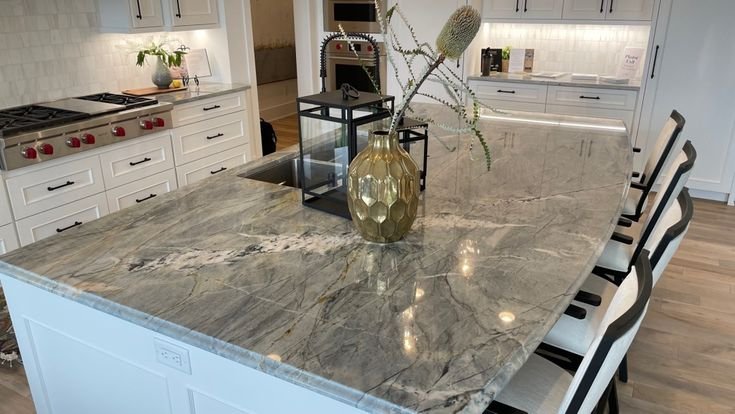
Granite is a natural stone formed from cooled magma deep in the Earth’s crust. Quarried in large blocks, it’s cut into slabs and polished for use in countertops. Granite’s characteristics—its hardness, unique patterns, and rich color variations—make it a sought-after material.
If you’re curious about its geological background, check what type of igneous rock makes up most of the ocean floor? basalt, granite, lucite, shale for a science-based explanation.
Understanding Quartz
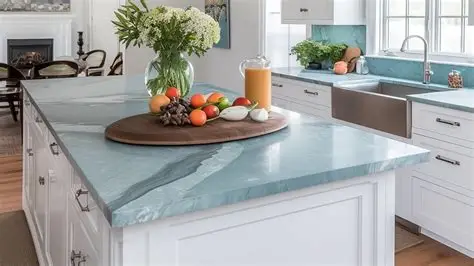
Quartz countertops are engineered stone surfaces, made from about 90–95% crushed quartz crystals blended with resins and pigments. This process creates a non-porous, uniform surface that’s stain-resistant and easy to maintain.
Cost Comparison: Granite vs. Quartz
While prices vary by quality, color, and location, here’s a general range:
| Material | Cost per Square Foot Installed |
|---|---|
| Granite | $40 – $200 |
| Quartz | $50 – $150 |
Granite’s cost can swing dramatically depending on whether you choose common colors or rare exotic slabs. In contrast, quartz pricing is more consistent.
For a closer look at the pricing structure, see is quartz cheaper than granite? and are quartz or granite countertops more expensive?.
Installation Costs
Both granite and quartz require professional installation. Granite may need additional structural support if slabs are unusually thick or heavy, which can add to labor costs. Quartz installation is often straightforward but may involve higher transportation fees due to weight.
Maintenance and Long-Term Value
- Granite requires periodic sealing to protect against stains and moisture. However, it can last for decades with proper care, making it a solid investment.
- Quartz is virtually maintenance-free and does not require sealing, which can save money in the long run.
Durability and Performance
- Granite: Naturally heat-resistant and highly durable, but it can chip if struck with enough force. Chips can usually be repaired.
- Quartz: More flexible, making it less prone to chipping. However, resins in quartz can discolor with prolonged exposure to high heat.
For guidance on which material suits different spaces, check is granite or quartz better for kitchen/bathroom countertops?.
Aesthetic Appeal
- Granite: Offers unique veining and patterns in every slab, perfect for those who want a one-of-a-kind countertop.
- Quartz: Available in a wide range of colors and can mimic the look of marble or granite with more uniformity.
Environmental Considerations
Granite is mined from the earth, and transport can increase its environmental footprint. Quartz manufacturing uses energy, but can incorporate recycled stone, making it a greener option in some cases.
Pros and Cons Overview
Granite Pros:
- 100% natural stone with unique beauty
- Extremely durable and heat-resistant
- High resale value for homes
Granite Cons:
- Requires sealing
- Can stain if not properly maintained
- Color/pattern selection limited to what is naturally available
Quartz Pros:
- Non-porous and low maintenance
- Stain-resistant
- Wide range of colors and designs
Quartz Cons:
- Slightly less heat-resistant
- Can be more expensive for certain styles
Final Verdict: Is Quartz More Expensive Than Granite?
On average, quartz is slightly more expensive than entry-level granite but less expensive than high-end exotic granite slabs. Your total investment will depend on the quality, color, and availability of the material you choose.
If you’re seeking the most budget-friendly option, affordable granite varieties might be the way to go. If you prefer low maintenance and consistent beauty, quartz may justify its higher initial price.
Pro Tip: If you’re considering granite, ask your supplier about the Aardwolf granite countertop collection, Aardwolf premium granite slabs, and their granite pricing guide to find the best fit for your style and budget.