
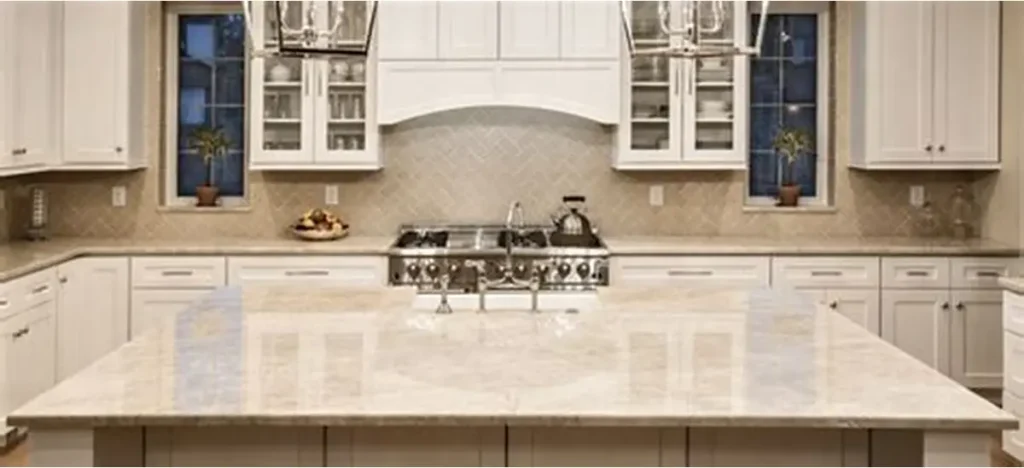
Granite is one of the most popular natural stones used in construction and design. From building foundations to luxurious kitchen countertops, granite’s beauty and strength make it a material of choice. But what truly defines this rock’s physical appeal? The answer lies in its texture.
In this comprehensive guide, we will explore what the texture of granite is, the minerals that contribute to it, how its texture affects appearance and performance, and how to incorporate granite into your next project.
What Is Granite?
Granite is a coarse-grained intrusive igneous rock that forms from the slow cooling of magma deep beneath Earth’s surface. It is mainly composed of quartz, feldspar, and mica.
Explore more: What minerals are in granite?
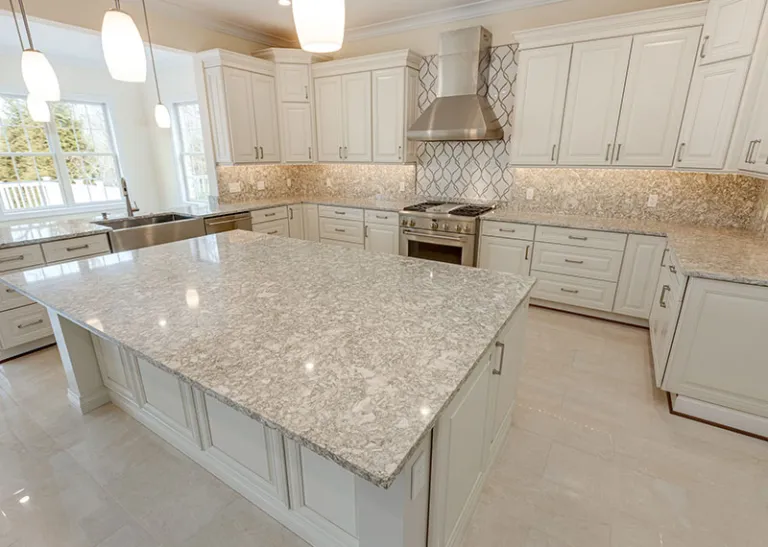
Granite Texture: Coarse-Grained Crystalline
What Defines the Texture of Granite?
The texture of granite refers to its grain size, crystal arrangement, and surface finish.
1. Grain Size
- Granite is phaneritic, meaning its crystals are large enough to be seen without a microscope.
- The grains vary from 1mm to several centimeters.
2. Crystal Structure
- Crystals are interlocked and equigranular.
- Random crystal orientation provides a granular appearance.
3. Visual Texture
- Rough to smooth depending on the finish
- Natural split granite has a rugged feel, while polished granite is sleek and reflective
Learn more: Granite rock is light in color—Which feature directly contributes to this color?
Surface Finishes and Texture Variations
Granite’s texture is also influenced by surface finishing techniques:
Polished
- High gloss, smooth surface
- Enhances color vibrancy and veining
Honed
- Matte, soft finish
- Less reflective, more natural look
Flamed
- Rough, textured surface created using heat
- Ideal for exterior paving or non-slip surfaces
Leathered
- Slightly textured with soft sheen
- Popular for rustic or contemporary countertop designs
Granite Texture in Design
Granite’s coarse-grained texture makes it an ideal material for:
Countertops
- Visible mineral grains enhance visual appeal
- Texture varies with edge styles
What Is a Waterfall Edge on Granite Countertops?
What Is the Most Popular Edge for Granite Countertops?
Flooring & Backsplashes
- Textured granite offers grip and elegance in high-traffic areas
- Easy to match with cabinets and decor themes
Facades & Landscaping
- Textured granite used in paving stones, retaining walls, and monuments
Aardwolf Granite Solutions
Aardwolf offers an array of granite products and installation services to suit both residential and commercial needs:
- Granite Countertop Installation
- Polished, flamed, honed, and leathered finishes
- Aardwolf premium granite slabs in various colors and grains
- Aardwolf granite countertop collection for kitchens and vanities
Texture and Practical Performance
The texture of granite directly influences:
- Durability: Interlocking crystals make granite strong and impact-resistant
- Stain Resistance: Polished granite is less porous
- Slip Resistance: Flamed and leathered finishes offer safer footing
Conclusion: Granite Texture Is More Than Skin-Deep
So, what is the texture of granite?
It is a coarse-grained, crystalline, and versatile surface that combines natural beauty with high performance. Whether polished for elegance or flamed for function, granite’s texture plays a vital role in its wide appeal and adaptability.