
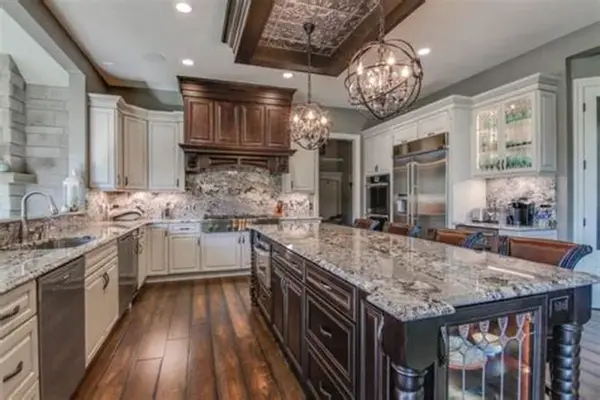
Granite is one of the most prominent and widely used natural stones in both geological studies and architectural applications. From elegant countertops to towering monuments, its presence is both aesthetic and structural. But scientifically speaking, what type of igneous rock is granite? This article dives into granite’s geological classification, mineral makeup, and real-world applications, all while incorporating Semantic SEO best practices.
Understanding Granite as an Igneous Rock
Igneous Rock Basics
Igneous rocks form through the cooling and solidification of magma or lava. They are broadly classified into two types:
- Intrusive (plutonic) igneous rocks – formed below the Earth’s surface
- Extrusive (volcanic) igneous rocks – formed on the surface from lava
What Type of Igneous Rock Is Granite?
Granite is an intrusive igneous rock. It cools slowly beneath the Earth’s surface, allowing large crystals of quartz, feldspar, and mica to form. This slow cooling gives granite its coarse-grained texture and visible mineral structure.
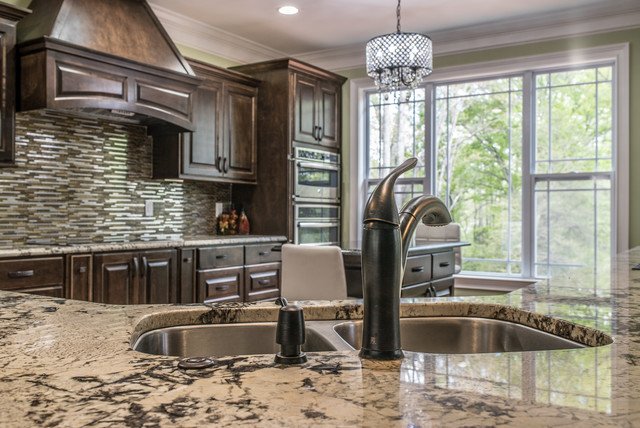
Granite’s Geological Composition and Texture
Granite Geology and Composition
Granite typically includes:
- Quartz: 20–60%
- Alkali Feldspar: 10–65%
- Plagioclase Feldspar: 10–35%
- Mica and other minerals: trace amounts
This composition makes granite felsic, rich in silica and lighter minerals.
Characteristics of Granite Stone
- Hardness: 6–7 on the Mohs scale
- Density: Around 2.63–2.75 g/cm³
- Color Range: White, black, grey, pink, or red
These characteristics of granite not only define its geological identity but also explain its value in structural and aesthetic uses.
Is Granite Igneous, Sedimentary, or Metamorphic?
Scientific Classification
Granite is definitively igneous and more specifically intrusive/plutonic. It is not:
- A metamorphic rock (formed by heat/pressure on pre-existing rock)
- Sedimentary (formed from compressed sediment)
Natural vs. Engineered Granite
Natural Granite
- Mined from quarries
- Unique patterns and mineral compositions
- Requires sealing for maintenance
Engineered Granite
- Made from crushed granite stone mixed with resins
- Uniform in color and pattern
- Often lower maintenance, but lacks the authenticity of natural granite
Granite Countertops: A Practical Application of Igneous Rock
Granite in Interior Design
Granite’s beauty and functionality make it a top choice for:
- Granite kitchen countertops
- Granite bathroom vanities
- Granite backsplash designs
Popular color options include:
- White granite countertops
- Black granite countertops
- Grey and pink varieties
Maintenance Tips for Granite Countertops
- Clean granite countertops with pH-neutral cleaners
- Sealing granite helps prevent stains
- Repairing chips and scratches is possible with epoxy kits
Related Care Guides:
Granite Compared to Other Natural Stones
Granite vs Quartz Countertops
- Granite: Natural, heat-resistant, unique veining
- Quartz: Engineered, uniform, slightly easier to maintain
Granite vs Marble: Pros and Cons
- Marble is softer and requires more maintenance
- Granite is harder, less porous, and more kitchen-friendly
Granite vs Soapstone Durability
Soapstone is heat-resistant but scratches easily. Granite offers better durability and longevity.
Granite vs Concrete Countertops
Concrete requires frequent sealing and may crack, while granite is better for long-term resilience and style.
Where to Buy and How to Handle Granite
Cost and Sourcing
- Granite countertop cost: $40–$200/sq ft depending on color, rarity, and origin
- Look for wholesale granite suppliers or affordable granite countertop options locally
Aardwolf Granite Products
Explore the Aardwolf granite countertop collection, featuring:
- Aardwolf premium granite slabs
- Aardwolf granite installation services
- Aardwolf granite pricing guide
- Best Aardwolf granite colors for modern and traditional spaces
Need help lifting heavy slabs? Check out lifting clamps for safe handling and transport.
Final Thoughts: Granite as an Intrusive Igneous Rock
Granite is an exemplary felsic intrusive igneous rock, prized for its durability, aesthetic variety, and mineral composition. Its slow formation deep within the Earth results in a dense, crystalline structure ideal for both geological study and household use.
Whether you’re analyzing rock types or installing countertops, knowing what type of igneous rock granite is provides both scientific understanding and practical insight.