
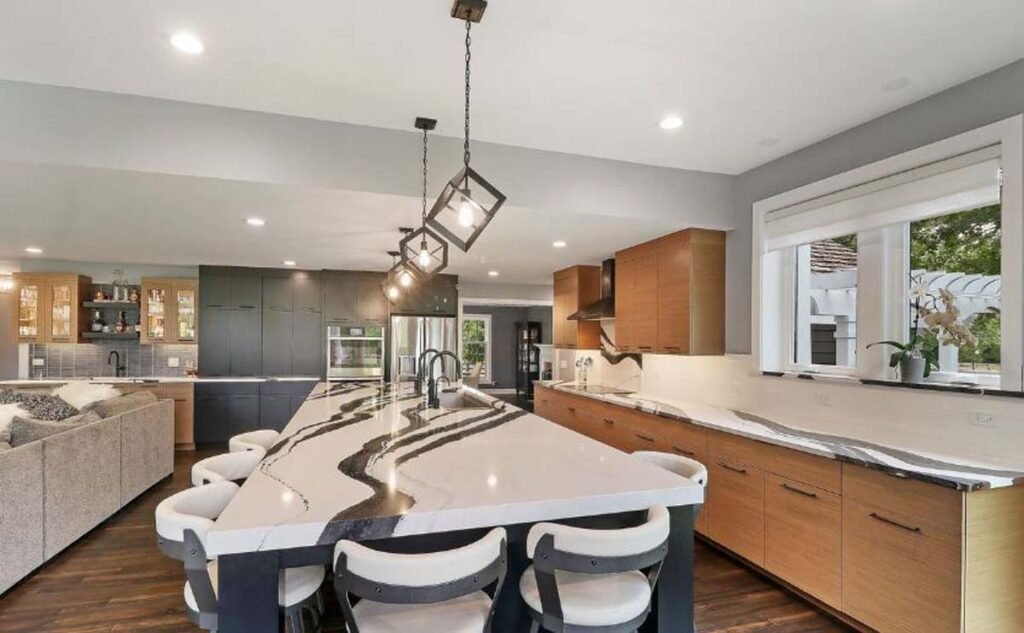
Granite is one of the most popular natural stones for countertops, but many homeowners also consider quartz when planning their kitchen or bathroom remodel. While style, durability, and maintenance are essential factors, cost often becomes the deciding element. So, what’s more expensive — quartz or granite? The answer isn’t entirely straightforward, as pricing can depend on quality, availability, brand, and installation details.
In this guide, we’ll explore the differences between quartz and granite costs, the factors influencing pricing, and how to choose the right material for your home.
Understanding Granite and Quartz
Granite Stone
Granite is a natural igneous rock formed deep within the Earth from cooling magma. It features a unique mix of minerals like quartz, feldspar, and mica, giving it stunning patterns and colors. Because it’s quarried in large slabs, no two pieces are identical, making granite countertops one-of-a-kind.
Quartz Countertops
Quartz is an engineered stone made by combining crushed quartz crystals with resin and pigments. This manufacturing process results in a non-porous surface with consistent patterns and colors, offering a modern, uniform aesthetic.
Average Price Comparison
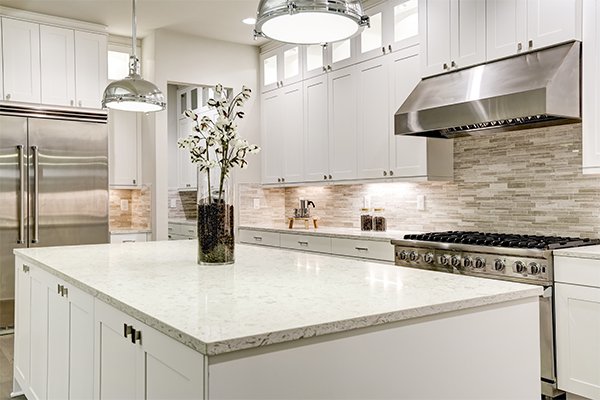
On average, granite countertops cost between $40 to $200 per square foot installed, depending on rarity and thickness. Quartz countertops typically range from $50 to $150 per square foot installed.
While granite can be cheaper in some cases, high-end granite varieties can exceed the price of premium quartz. The determining factor is often stone rarity and sourcing costs.
Factors That Affect Pricing
1. Material Quality
Granite pricing varies greatly based on grade — commercial, mid-grade, and premium. Rare colors like blue granite or exotic patterns often command top prices. Quartz is generally more consistent in pricing because it’s manufactured, but luxury quartz brands can still be expensive.
2. Slab Size and Thickness
Larger or thicker slabs cost more for both materials. Standard thickness is 3 cm, but a thicker edge profile can increase costs for granite and quartz alike.
3. Installation Complexity
Intricate cuts, unique granite backsplash designs, and custom edges will increase labor costs. Learn more about installation in our Stone Fabrication guide.
4. Geographic Location
The closer you are to a granite quarry or quartz manufacturer, the more affordable the material may be due to reduced shipping costs.
Maintenance and Longevity Considerations
Granite is a natural porous stone and requires sealing to prevent stains and bacteria buildup. (Read: Which Is Better, Quartz or Granite?) Quartz is non-porous and does not require sealing, which can make it lower-maintenance in the long run.
Cost-Effectiveness Over Time
When comparing long-term value, granite may last a lifetime with proper care, while quartz also offers decades of durability with minimal upkeep. If you want a timeless, natural stone countertop, granite may be worth the slightly higher maintenance costs. If you prefer low maintenance, quartz could be a better choice, even if the upfront cost is higher.
Pros and Cons: Granite vs. Quartz Pricing
| Feature | Granite | Quartz |
|---|---|---|
| Average Price Range | $40-$200/sq ft | $50-$150/sq ft |
| Price Fluctuation | High (based on rarity) | Low to moderate |
| Maintenance Costs | Moderate (sealing required) | Low |
| Durability vs. Price | Excellent value | Excellent value |
| Resale Value | High | High |
Related Topics
- Which Is Better, Quartz or Granite?
- Which Is Cheaper, Quartz or Granite?
- How Do Quartz Countertops Compare to Granite in Terms of Durability, Maintenance, and Cost?
- What Counters Are Better Than Granite?
Where to Buy Affordable Granite Countertops
Finding affordable granite countertop options starts with checking wholesale granite suppliers and browsing collections like the Aardwolf Granite Countertop Collection, which offers a wide selection of colors and patterns. Whether you want a white granite countertop for a sleek look or black granite countertops for dramatic elegance, Aardwolf has a variety to fit different budgets.
Final Verdict: Which is More Expensive?
While quartz often costs slightly more than mid-range granite, high-end granite can be the most expensive option overall. The “cheaper” choice depends on the grade and style you select. Ultimately, both materials are investments that add beauty, durability, and value to your home.
If you prioritize natural beauty, granite is a classic choice. If uniformity and low maintenance are your goals, quartz may be worth the extra cost.